MOUNT Kilimanjaro Trekking
Climbing Mountain Kilimanjaro
Being one of the most popular mountains in the world, roughly 50,000 trekkers every year try to reach the summit of Mountain Kilimanjaro. According to research published by the Climb Kilimanjaro Guide, the average success rate across all climbers and routes is 65%.
Climbing mountain Kilimanjaro must be on the bucket list of adventure enthusiasts. It gives a truly unique wilderness experience as you ascend to the peak of the world’s highest standing mountain. The hike along the gradually ascending slopes of Mount Kilimanjaro offers the chance to marvel at its view and unique vegetation away from the hustle and bustle of civilization.
Although climbing Mount Kilimanjaro is taxing on the body but it’s a reward as the experience of reaching the Uhuru peak is indescribable. With Mili Adventure Africa Kilimanjaro Climbing packages you will realize your dream of reaching the roof of Africa with our experienced climbing team
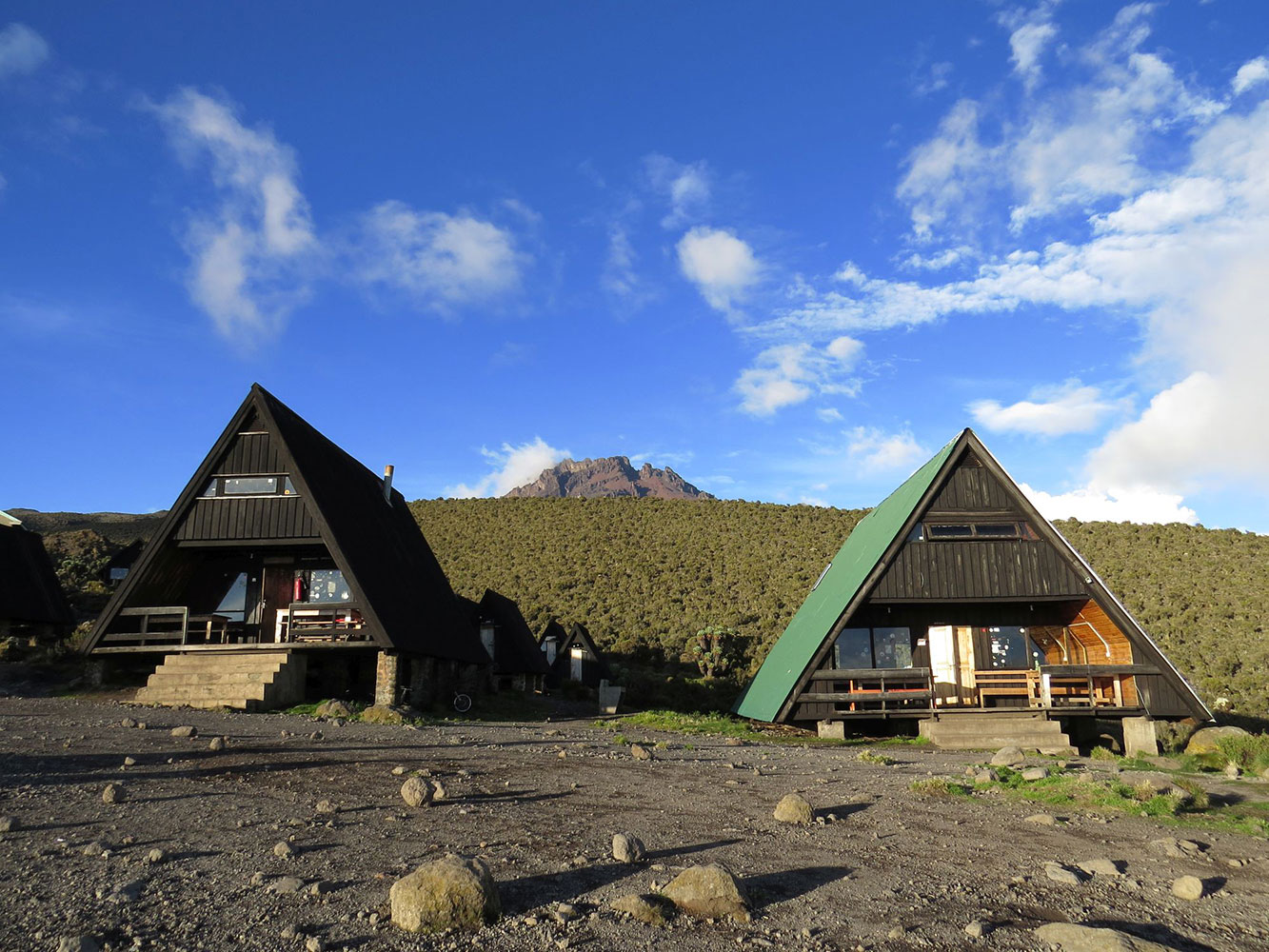
Mountain Kilimanjaro Route


Kilimanjaro Trekking FAQs
The ideal climbing seasons are January–March and June–October, when the weather is generally dry and stable. Avoid the rainy months (April–May and November) for better chances of a successful summit.
Kilimanjaro is a non-technical climb, but it is physically challenging due to altitude. Good fitness and stamina are essential. Most trekkers can complete it with proper preparation and acclimatization.
Trek duration varies by route:
Shorter routes (Marangu, Rongai): 5–6 days
Longer routes (Machame, Lemosho, Northern Circuit): 7–9 days
Longer itineraries increase acclimatization and improve summit success.
On Kilimanjaro, you’ll pass through lush rainforest, heathlands, moorlands, alpine desert, and glaciers. Wildlife sightings include monkeys, antelopes, birds, and small mammals. The summit offers breathtaking views of Mount Meru, the Great Rift Valley, and snowy peaks.
Yes, essential gear includes:
Sturdy hiking boots
Warm and layered clothing
Rain jacket and pants
Hat, gloves, and sunglasses
Sleeping bag suitable for -10°C to -15°C
Trekking poles recommended
Yes, altitude sickness is a serious risk above 3,000 meters. Symptoms include headache, nausea, and dizziness. Gradual ascent, proper hydration, and rest days help prevent it. Guides monitor trekkers closely and descend immediately if symptoms worsen.
Yes. All treks require a licensed guide. Porters are optional but highly recommended—they carry gear, set up tents, and support your trek. Supporting local guides and porters is part of responsible tourism.
Yes. A Tanzanian visa is required for most international travelers. Additionally, climbing Kilimanjaro requires a National Park permit, obtained through your trekking operator.
Treks include three nutritious meals per day: breakfast, lunch, and dinner. Meals are usually a mix of local and international cuisine, with snacks and hot drinks provided between camps.
Summit success depends on fitness, acclimatization, and route selection. Longer routes and slower ascent rates improve your chances significantly. Most trekkers reach the summit with proper preparation and support.